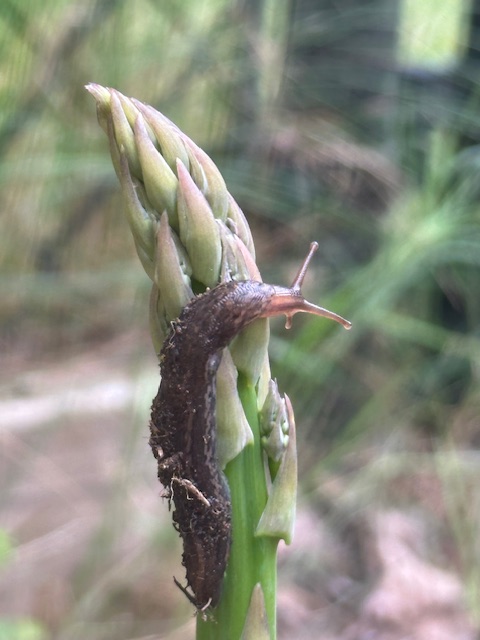
Time is both slipping by and an enduring treasure. Time has been on people’s minds, well, for a long time.
- “Time is the most valuable thing a man [person] can spend.” — Theophrastus, Greek philosopher and naturalist (372 BC-287 BC)
- “People don’t take opportunities because the timing is bad, the financial side unsecure. Too many people are overanalyzing. Sometimes you just have to go for it.” —Michelle Zatlyn, Cloudflare co-founder
- “Time is what we want most but what we use worst.” — William Penn, British Quaker founder of Pennsylvania
- “Every tragedy we can imagine comes back to just one: time slipping by.”
— Simone Weil, French philosopher (1909-1943) - “Time management is an oxymoron. Time is beyond our control, and the clock keeps ticking regardless of how we lead our lives.” — John C. Maxwell, American writer on leadership
- “Liminal moments. Those moments apart from time when you are gripped. Taken. When you are so fully absorbed in what you are doing that time ceases to exist.” ― Rebecca Wells, Divine Secrets of the Ya-Ya Sisterhood
And from my favorite timekeeper:
- “…Doesn’t everything die at last, and too soon? Tell me, what is it you plan to do with your one wild and precious life? ― Mary Oliver, The Summer Day
Poetry cuts to the chase on most topics. Poets understand impermanence. They often embrace curiosity for one’s present time.
Poet and naturalist Derek Sheffield became Washinton state’s 8th poet laureate on 04-30-25. Freelance writer Sarah Neilson summed up his poetry succinctly: Sheffield writes with wildness and wellness as inspiration. In Neilson’s interview for the Seattle Times, Sheffield reflected on his work with a philosophy I can endorse: “An important part of my own journey has been my sense of curiosity and my capacity to feel wonder. I will run across people who don’t seem to have that capacity and don’t seem to be curious…a fair amount of what I do in writing classes is unteaching and trying to get us back to where we all started in third grade. That space, that energy, that trust, that imagination, that engagement with our imagination.”
Yes, who were we in 3rd grade? How did that timeframe influence who we are today? Wasn’t it just yesterday? I recall loving my 3rd grade teacher, Mrs. Anderson. She encouraged creativity and was a font of positivity. I recall her constant smiles. Some teachers’ influence can last a lifetime, either in a good way or a less skillful way. We earthlings are interconnected in a circle of time’s memories.
Consider Derek Sheffield’s poem, Still Time:
“In a wide
and motionless circle, nine
Chinook salmon
below a stilled spillway,
nose to tail-fin, wait,
faint flutterings rounding their backs
in place, each moment
slipping (a white bubble
up from the dark) through the clock face
they make of creek water,
a count we might mistake
as ours.”
Pearls of Peace (PoP) Quiz
407. How do you think about your slipping-by moments?
408. What are your plans for wildness and wellness today?
 Pearls of Peace: A Family Psychologist’s Circle-of-Life Blog