Can reading books make a comeback?
U.S. daily book reading for pleasure is steadily declining (40% drop from 2003-2023). A National Endowment for the Arts research lab at University of Florida teamed with University College London researchers to analyze data from 236,000+ Americans who completed the American Time Use Study.
The dearth of pleasure reading does not reflect all groups; people with higher educational levels and women are more likely readers. Unfortunately, reader-less homes where reading for pleasure could support mental health, creativity and lifelong reading are those in lower income or educational realization and rural (versus metropolitan) areas. One might argue that these folks often have two jobs to make ends meet and reading time is a luxury that is not sustainable.
March is National Reading Month. The intent is to encourage daily reading habits to promote literacy as well as nurture reading habits in both children and adults. A focus set by Read Across America Week (March 2–6), was “Champion Kindness,” a goal much needed today. Helping children read diverse books can foster empathy along with developing a love for broad-ranging literature.
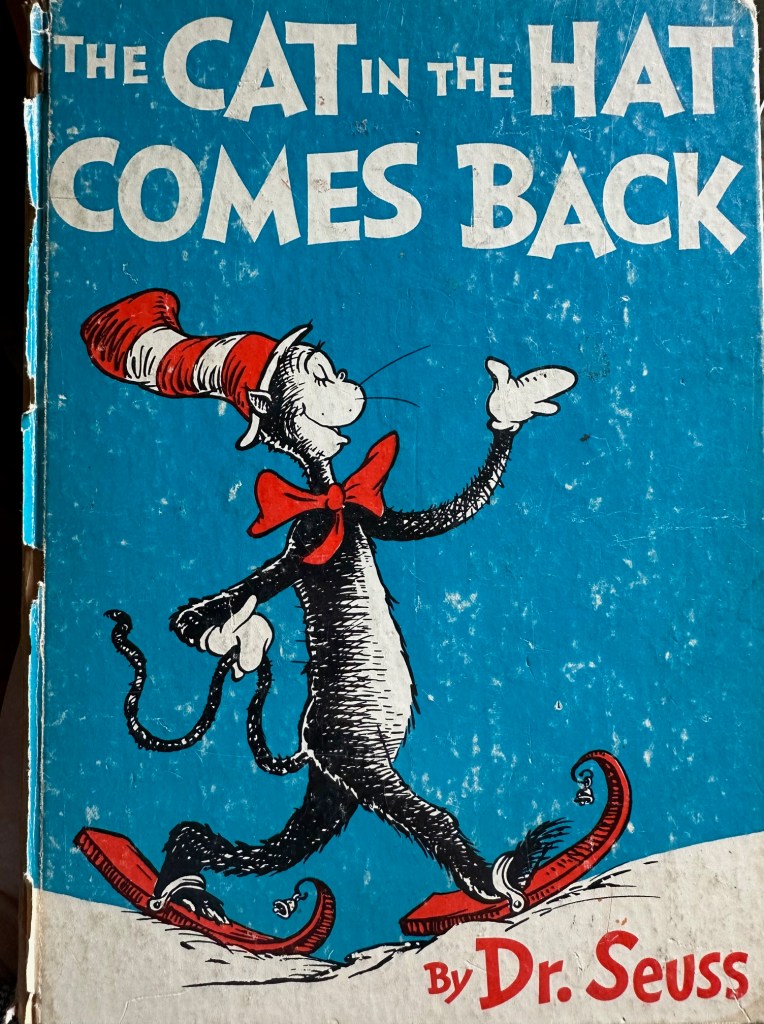
One reason March is a special reading month is due to honoring of Dr. Seuss’s birthday on March 2nd. Much-loved Dr. Suess books, with their quirky illustrations and humorous storytelling, remain favorite choices for parents who read books to their children at bedtime. His Grinch character provides food for thought for both parents and kids. Dr. Suess was right when he said, “The more that you read, the more things you will know.”
While many blame our digital-relying habits for a reading downfall, British author and technology guru Kevin Ashton maintains that technology is not to blame. He reminds, “What’s on their phones is words…go look at [a]…TikTok video…There are captions that help it make more sense when they’re communicating with one another. They’re sending text messages. Children today are writing more words than you or I did when we were teenagers.”
Yes, “words” are present in technology, but I think the technology vs. reading-books issue needs more discussion among educators and mental health providers. When there is a winning lawsuit against Meta and Google, blaming social media for the anxiety and depression of a woman who claims addiction to social media as a youngster, the impact of digital wording matters. What safeguards are present for tender minds in developing healthy perceptions about their belonging in a fast-paced society? Who moderates digital mediums for kids?
Ashton had thoughts about storytelling for decades before writing his book, The Story of Stories: The Million-Year History of a Uniquely Human Art. He suggests that it is emotional storytelling that readers seek. Yes, emotions are complex parts of us and stories help us gain perspectives about emotional territory. Along with diverse book-reading, I believe we need more in-person communication in sharing emotions in homes and schools.
Pearls of Peace (PoP) Quiz
484. What is the last book you read?
485. Were there any emotional insights from reading that book?

 Pearls of Peace: A Family Psychologist’s Circle-of-Life Blog