April is National Poetry Month. I have written a few poems over the years, but it is seldom that I take time to engage in poetry-writing classes. This weekend I immersed myself in an insight-filled and inspiring one-day poetry workshop with poet Terry Cahill. Prior to attending, I reread several of my previous poems. To my surprise, the first two poems I picked had the word “pearl” in them! One poem I wrote in 1986; the other was penned 30 years later. This latter poem’s final line holds the title of my blog, a detail only my subconscious brain retained!
Yes, I’ve admired pearls and enjoy wearing a pearl ring. A clue to my pearl attachment is my naming this blog, Pearls of Peace. I place tremendous value on the promise of peace, especially everyday peace. Final words from my first blog entry still inform me: “Pearls represent a fresh start. Peace in the family, post-grief peace, and retirement peace all benefit from a fresh outlook. In these blog posts, we will explore how to string pearls of peace wherever you find yourself on your life’s odyssey.”
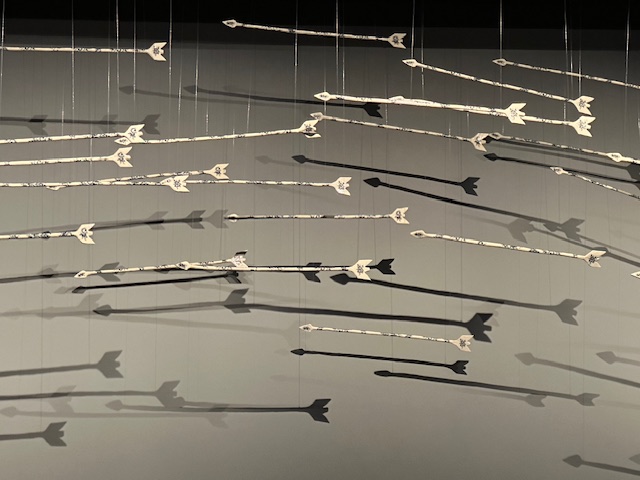
Word peace might even take flight to reach world peace. Here is my poem from 2016 (prior to blog initiation in 2021):
A Seashell, Tree and Me
A seashell knows how to live deep…
A tree understands how to stretch its wings. What about me?
A seashell gives birth to pearls… A tree harbors diverse creatures. What about me?
A seashell lets go when the time is ripe… A tree releases in the right season. What about me?
What shall we three release… Pearls of peace, safe harbors, And the strength of All of us — together.
Poetry is a power-filled connector; poems connect past traumas with dreamed-up futures. Poems may reflect distant memories, create a tribute to a poignant person or concept, explore fragile emotions in metaphors with incisive clarity, unleash subconscious ideation, elicit spiritual responses, serve as a bridge to creative problem-solving, or represent a cause to mobilize others. Indian poet Rabindranath Tagore inspired Indian independence through powerful poetry.
Irish poet David Whyte suggests a “good poem” is revelatory; it surprises us with new perceptions, like juxtapositioned “well-felt sadness” and “robust vulnerability.” Modern poetry loosens requirements for spacing or length or scoring the music of lines. Here are soundbites of Cahill’s wisdom: “Poetry does not need a lot of fancy words…the more concrete, the abstract comes through… the more surprised the poet is in writing a poem, the more surprised the reader will be.”
I love how one creative high school teacher took her surprised 9th graders to a nursing home. The students and older adult residents wrote group poems. They also read their individual poetry to each other. You already might guess that I’m endorsing poetry writing as good for your brain!
Pearls of Peace (PoP) Quiz
281. When was the last time that you wrote a poem?
282. If you never attempted poetry-writing, what holds you back?

 Pearls of Peace: A Family Psychologist’s Circle-of-Life Blog
I cannot force a poem; it forces itself on me: Like a bird suddenly landing on a branch near my window, perching, peeking, then leaping away, leaving me with “aha!”, releasing words of wonder.
LikeLike
I am glad to see poetry shared on this post! Keep your poet mindset perching.
LikeLike