As a long-time student of problem-solving and conflict resolution, I am troubled by the news cycle of raw conflicts in our country. Animosity too often turns to not-so-veiled threats or violent behavior against an imagined “other.” Political individuals report a slew of death threats and in some unbelievable instances, they or their family members have been violently attacked. Anger is palpable from town hall meetings to houses of worship.
Margaret Cullen, a marriage and family therapist as well as a mindfulness teacher, identifies what is happening when anger’s slippery slope devolves into cruelty and/or violence. She gives a first-person accounting: “When I reflect honestly, I notice that my most volatile reactions are tied to things I hate in myself—places I’ve missed the mark or failed to live up to my own ideals. Outrage becomes a shield, a projection, a way of disowning what is hard to face internally…easier to demonize the other than to wrestle with my own complicity.” Such truth-telling seems like a place to begin a much-needed remedy to anger.
Cullen’s upcoming book, Quiet Strength: Find Peace, Feel Alive, and Love Boundlessly Through the Power of Equanimity, might be required reading for politicians. As Cullen outlines her approach, an ethical value system is key: “Simply put: Unethical conduct breeds agitation; ethical conduct fosters peace. And agitation is fertile ground for outrage and projection to take root. Throw in some social media and global instability, and you are well on your way to zealotry. Peace is fertile ground for perspective and clarity to grow. Toss in some honest self-reflection and an intention for greater integrity, and you can harness the energy of outrage toward creative solutions and effective engagement.”
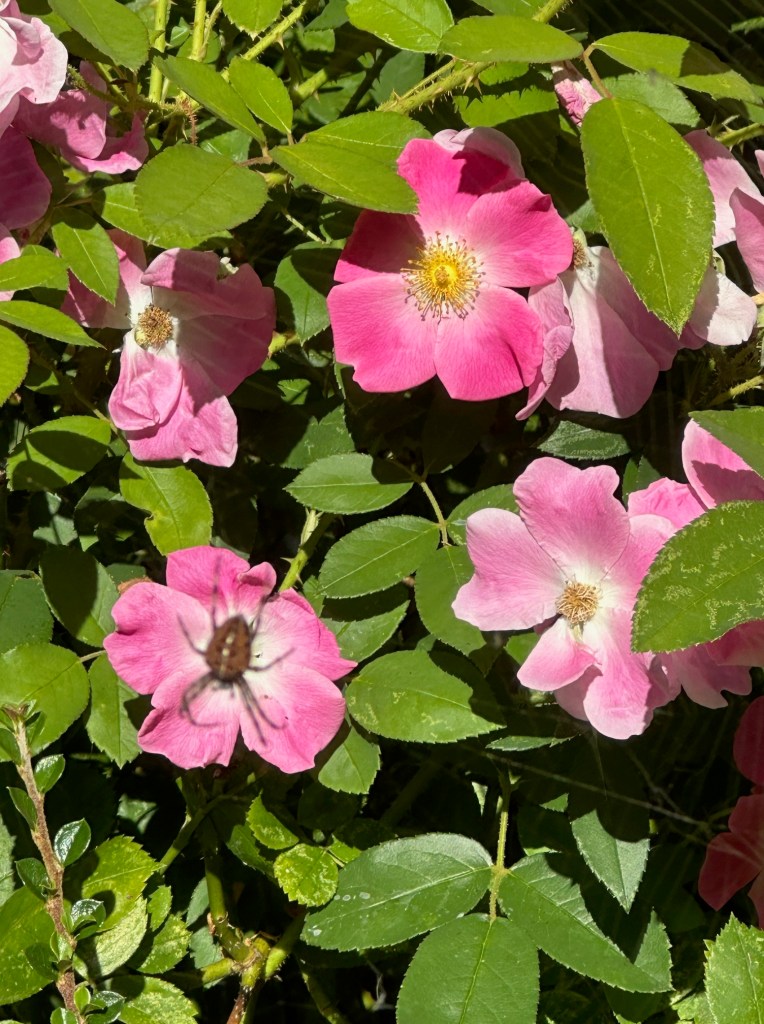
Yes, self-reflection, insight, and an awareness of one’s value system are always a good idea, whether the topic is anger or anything else. However, we do not see things clearly much of the time. We experience anger or some other strong emotion and imagine that it is “justified.” We do not recognize that our anger rides shotgun in the front seat of our personality pickup truck as a protector from fear, insecurity, and other tender parts of ourselves. I reflected upon this lack of self-clarity when I looked through a clouded-over glass window in a door in my new home. The murky window blocked my view of roses growing outside this doorway. Once the double-pane failed glass was replaced, roses could be appreciated with clear sightlines.
I appreciate the metaphor in a Scottish tune, Looking at a Rainbow Through a Dirty Window (by Scottish Uilleann piper and flute player Calum Stewart, arranged for harp by Rachel Hair). Listening to peaceful music, especially with others, is a remedy for what ails. https://www.youtube.com/watch?v=Pyp3p3gRQcQ
Are you looking for rainbows and peaceful, creative solutions these days? I am.
Pearls of Peace (PoP) Quiz
431. When do you catch yourself projecting your own outrage onto an “other” person?
431. How might we best enhance ethical conduct in groups of people?


Timely!
Glad you can see the roses.
Have a great day.
Kathy
>
LikeLike
On this first day of autumn, I am grateful for roses. I have taken many photos of them so that I can continue enjoying them when winter takes them out! As a metaphor, they will continue to provide hope in bleak times.
LikeLike
I loved this topic! Our small group met today with the topic of Recharging and Renewal! I brought up your blog, and two of the women wanted copies, so I forwarded it to them! Thanks for a great reading!
LikeLike
If we include in our conversations those who have different viewpoints from our own, we might have a chance for recharging renewal for everyone. This brings to mind that phrase, “Each one teach one.” What might a person with an opposing viewpoint teach us?
LikeLike