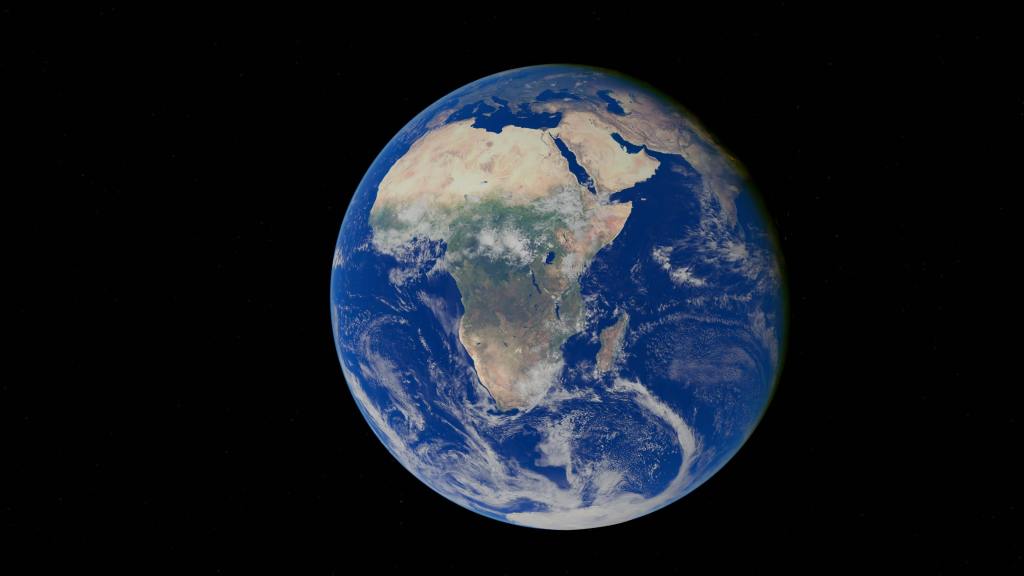
Small but mighty is a good description for planet Earth when the Universe is now considered a multiverse with 2 trillion galaxies. If you cannot fathom the theoretical concept of a multiverse, you are not alone.
Let’s take a micro view. Think of small but mighty pollinators on Earth, bees. I recently attended a lecture on mason bees. Like human masons, these bees are builders, recycling clay-like mud or crumbling mortar for nesting. Mason bees are one of the best pollinators in the early spring garden, especially necessary for fruit-bearing trees.
Mason bees are considered highly effective at their pollination posts, pollinating 95% of the flowers they visit compared to about 5% for honeybees. While the females can stinge, Mason females do not use their stingers very often and male Masons do not have a stinger. These are peaceful, non-aggressive bees, perhaps because they do not have big hives to defend. Mason bees are active workers in gardens and orchards for about 4-6 weeks, and then they huddle in their nests. The incredible honeybees take over with their pollination peaking in summer months.
Pollinators have much to teach us. A few hundred Mason bees can pollinate an acre of fruit trees, but they need their mud huts close by as they have only a 300-foot range from their nesting site. Honeybees may travel as far as 5 miles from their hive. To keep their hives healthy, each colony requires an acre of honeybee-attractive blooms within their flight range. Anyone with me enjoying a dab of honey in your tea?
We need bees. We need diversity among bees. We need these tiny flyers as 70 out of 100 major crops are pollinated by bees. A single bee can visit hundreds of flowers in a day, but 55% of America’s bee colonies failed over the past year, likely due to pesticides.
It is the 30th Anniversary of National Poetry Month (launched in April 1996 by the Academy of American Poets). Poets often celebrate the beauty as well as the concerns of nature. Welsh writer Raymond Williams suggested, “Nature is perhaps the most complex word in the language.”
Long a focus before the phrases “green poetry” or “environmental poetry” became popular, Japanese Haiku had its origins as a meditation on the natural world. Haiku in its traditional form has 17 syllables, with 5 syllables in the first line, 7 in the middle line, and 5 in the final line. There are few adjectives or adverbs.
Here is my haiku poem about early spring:
Pansy sentinel Faces sun and snow equally Undaunted resolve
Bees, pansies, and people all require undaunted resolve in sharing our precious ecosystem. Poetry serves a cross-pollination purpose for readers. Renowned Japanese haiku poet Basho recommended that poets “plunge deep enough” into the object of a poem to see “a hidden glimmering there.” Sometimes small but mighty poems are most effective.
Pearls of Peace (PoP) Quiz
492. Are you growing a pollinator garden?
493. Might you become a pollinator poet?
 Pearls of Peace: A Family Psychologist’s Circle-of-Life Blog