Emotional Wellness Takes Dignity

October is National Emotional Wellness Month, a grassroots effort since 2004, with a focus on everyday personal “balance.” Just about everyone could use some stress reduction prior to the contentious national midterm elections coming soon. Goals for the month include “processing feelings constructively.” Have politicians been informed?

UC Berkeley professor emerita Arlie Russell Hochschild carried out 7 years of ethnographic research on Pikeville, Kentucky, where the American Dream escapes most residents. The Fifth Congressional District of Kentucky — described as the “whitest and second poorest congressional district in the nation” — suffers incredible economic distress from job losses in the declining coal industry, with ongoing poverty and substance abuse as unresolved issues. In 2016 nearly 80% of voters chose Donald Trump. In 2017 a caravan of white supremacists rolled through town, looking to recruit members.

In her book, Stolen Pride: Loss, Shame, and the Rise of the Right, sociologist Hochschild explains that Appalachian workers who experienced economic disaster tended to blame themselves rather than the “system.” Hochschild’s approach was simply to listen to those whose life stories infrequently make the evening news. She held compassion as participants shared complicated circumstances, feeling deprived of dignity, during extensive interviews. The painful sentiment of one individual asking, “If you’re white and poor…what’s wrong with you that you’re stuck at the bottom?” was echoed in similar wording repeatedly. Another version of stark economic stress was expressed this way: “If it’s such a privilege to be born a white male, what could explain me except my own personal failure?”

Hochschild explains that the Trump tactic redirected such internal insecurity and shame into external blaming of progressive voters and immigrants. Pretending to be a victim like the impoverished, Trump fueled anguish, viciously lashing out at non-followers; it struck a chord with many.

Co-creator of the Dignity Index, Tami Pyfer tested an 8-point scale in Utah during the 2022 midterm elections. The scale rates the language one uses when disagreeing with others. Levels ONE to FOUR reflect contempt: “Those people are ruining everything. Those people are evil.” Levels FIVE to EIGHT are “dignity” levels of the scale. For example, at level SIX, a person looks at things they have in common with others; at level EIGHT there is ability to see dignity in everyone.

Emotional wellness and dignity could change the U.S. political climate.

Hochschild found voters in Pikeville who worried about climate change. One pro-Trump Republican businessman pointed out a mountain where coal once was king, and told Hochschild, “I’d love to see solar panels and windmills on top of a lot of our mountains here.” Research from Yale Program on Climate Change Communication reports about 63% of Kentucky residents believe global warming is an issue; 70% favor regulating carbon dioxide. Nationwide, a majority of voters agree to curb the climate crisis.

Can we extend our common ground before it is too late?

Pearls of Peace (PoP) Quiz

544. How might you discuss climate change with neighbors?

545. What does having “dignity” mean to you?                      
Independence Day Pearls and Perils

July 4, 2024, celebrated 248 years since the birthday of the Declaration of Independence in 1776. While many Americans enjoyed celebrating July 4th another year, for some folks it marked their first Independence Day. Babies born in the past year and others who were granted citizenship marked their first July 4th holiday. I enjoyed family time along with watching an annual parade of community groups celebrating connections. The parade was energizing (even in light rain) with kids, candy bags, and colorful cars. Later in downtown Chicago, singing patriotic songs along with the Grant Park Symphony was memorable.

“If we have no peace, it is because we have forgotten that we belong to each other.” Mother Theresa’s words are timeless, but especially meaningful in today’s divided states of America. It was heartwarming to see everyone waving tiny American flags that were handed out at the concert.

U.S. Citizenship and Immigration Services (USCIS) celebrated Independence Day this year by handing out citizenship to approximately 11,000 newcomers in more than 195 naturalization ceremonies during June 28th – July 5th. Deputy Assistant to the President Blas Nuñez-Neto participated in a naturalization ceremony at George Washington’s Mount Vernon, while similar celebrations took place across the country, including Battleship in New Jersey, Gateway Arch National Park in Missouri and Fort Clatsop (Lewis & Clark National Historic Park) in Oregon.

 In 2023, USCIS welcomed 878,500 new U.S. citizens. This year USCIS made significant strides in reducing naturalization pending queues, already welcoming 589,400 citizens. USCIS Director Ur M. Jaddou summarizes: “These new citizens add diversity and character to our great nation, and we are committed to helping all who are eligible to experience the freedoms and liberties we enjoy as U.S. citizens.”

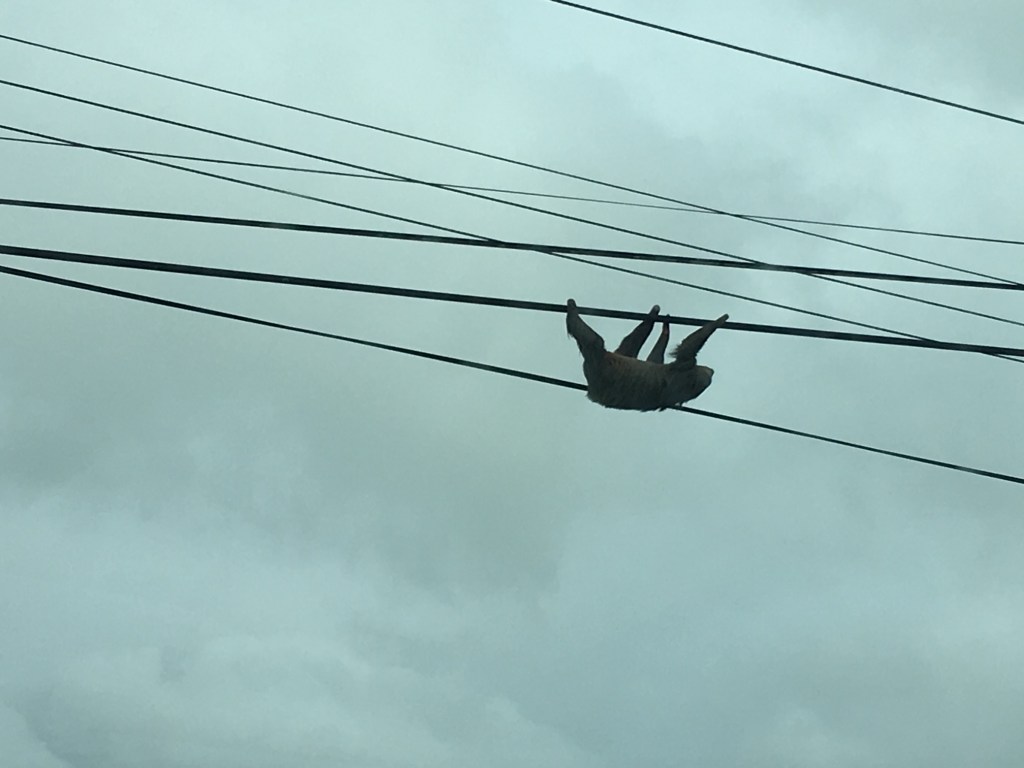
I cannot imagine leaving my country, especially if a language barrier existed. It must feel precarious to encounter uncertainty as unnerving as clinging to electrical wires. Even more daunting, I cannot imagine dealing with the traumatic conditions that can make it mandatory for some parents to carry their babies, with little else, across several countries to reach their dream of safety and second chances.

Let’s recall the Declaration of Independence intentions: “We hold these truths to be self-evident, that all men [people] are created equal, that they are endowed by their Creator with certain unalienable Rights, that among these are Life, Liberty and the pursuit of Happiness…we mutually pledge to each other our Lives, our Fortunes and our sacred Honor.”   

Gaining citizenship as an immigrant is not guaranteed, but many communities across America have extended a helping hand to these newcomers. “There is no power greater than a community discovering what it cares about. Ask: ‘What’s possible?’ not ‘What’s wrong?’ Keep asking. Notice what you care about. Assume that many others share your dreams.” These words by organizational consultant Margaret Wheatley are a blueprint for moving forward.

Pearls of Peace (PoP) Quiz 

305. What meaning does July 4th hold for you?

306. How might you participate in helping others reach their American dream?