Boys and Men Need Our Attention

Author David Deida has a new book, The Man of Zero. “Zero” Man is defined by Deida as arriving at “…a point where he’s no longer motivated by the same motivations as in the past…[he]could become depressed. A man can collapse when he’s feeling unmotivated. But if you don’t collapse, if you can stay very present with the moment, with what is, without collapsing—even though you have no sense of purpose or meaning—something else happens. You begin to live and think and move from a deeper place that’s not personal anymore.” 

Some can identify with Deida’s philosophy; others might question its veracity for their life. Perhaps everyone can agree to attend to boys’ and men’s wellbeing. June is Men’s Health Awareness Month with the intention to emphasize a critical need for preventive health screenings. This year’s theme reflects how important it is for whole families to invest in men’s wellness — “Partners in Care: For Better Lifespans Across the Lifespan.” Men’s health is a special focus in the week leading up to Father’s Day.

The rates of male depression and suicide have risen sharply according to the American Foundation for Suicide Prevention. More than 6 million U.S. men experience symptoms of depression every year; a recent survey uncovered that 49% of men feel more depressed than they admit to people in their lives. A further cause for concern, men are less likely to ask for help with mental health challenges.

Risks for male wellbeing include these identified factors:

  • Toxic masculinity — the stereotypical gender roles to be strong, silent, and self-sufficient.
  • Stress at work – long work hours, high-stress roles, job burnout and depression.
  • Financial concerns — often the primary breadwinner, yet men more likely to face unemployment.
  • Substance abuse – men more likely to abuse alcohol and drugs, increasing their mental health concerns.

Victor Fontanez is a barber, motivational speaker and entrepreneur, who gave free outdoor haircuts when business collapsed during the pandemic, leading to his social media platform. He became a barber-turned-counselor in Atlanta. Fontanez is a strong role model for youth. He asks 11–12-year-old boys, “What would you change in the world?” They all say gun violence.

Fontanez shares how at age 23 he experienced a mental health crisis prior to his diagnosis of bipolar I disorder: “I thought I could physically push through anything. There was no need for therapy; there was no need to slow down…I pushed my body to the limits—and then I realized, it’s mind, body, and soul. It’s three things that a person needs to take care of.” He radically changed his behavior. Along with psychotherapy and medication assistance, he no longer compromises his sleep, eats a better diet, and exercises. He celebrates his positive changes.

Join “Wear Blue” on Fridays in June to show support for men’s bodymind health.

Pearls of Peace (PoP) Quiz

506. When are you a role model for wellness?

507. What further steps might promote wellness in others?   
Ages and Stages

Austrian novelist Marie von Ebner-Eschenbach defined aging: “In youth we learn; in age we understand.” I am rethinking what age means on my birthday.

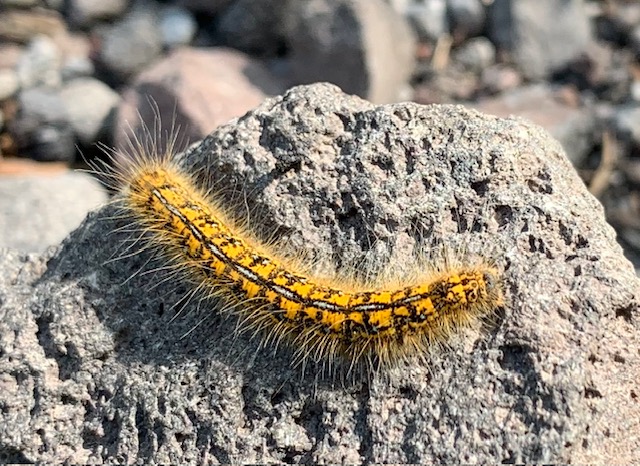
We know 4 aging stages of monarch butterflies: egg, larva (caterpillar), pupa (chrysalis), and adult. This amazing metamorphosis includes caterpillars whizzing through 5 growth spurts, molting skin each time! This reminds me of adolescents making change after change with dizzying speed.

Research from University of Cambridge suggests that adolescence lasts longer than you ever thought. Dr Alexa Mousley and her colleagues found that the brain stays in the adolescent stage until the early 30’s. Key maturation is determined to end around age 32. Studying nearly 4000 individuals’ MRI scans (ages 0-90 years), the researchers concluded that there are 4 pivotal ages for brain turning points or major changes: 9, 32, 66, and 83.

  •  Childhood — Birth to age 9: Brains undergo network consolidation with the most active synapses preserved from a whittling-down process. There is a major boost in cognitive capacity, but also a risk of mental health challenges.
  •  Adolescence – Ages 9 to 32: Brains’ largest directional changes have an efficiency of connections within specific brain regions. There is rapid communication across the whole brain which relates to enhanced cognitive performance. However, this timeframe poses the greatest risk for mental health disorders. Many individuals initiate substance use in this stage. Repeated drug exposure can significantly alter brain development, especially relating to the ways reward and control circuits are wired. A drug habit may become almost automatic, leading to a reduction in prefrontal problem-solving which has many consequences.
  •  Adulthood – Ages 32 to 66: A “plateau in intelligence and personality” (based upon other research) was sustained in this research. Brain functioning appears relatively stable.
  •  Early aging – Ages 66 to 83: A mild and gradual reorganization of brain networks culminates in the mid-60’s, although a variety of health conditions (hypertension or diabetes, for example) may emerge; health issues can place an individual at risk for cognitive decline.
  •  Late aging – Age 83+: Whole brain connectivity reduces and there is more reliance on specific brain regions. However, this participant group was smaller than the other stages studied and merits more study.

The researchers admit their participants were controlled for “healthy” folks. Trauma affects brain ages/stages. An estimated 6 in 10 U.S. adults have experienced trauma (with higher numbers among women than men). Rates for children and adolescents are higher: according to the National Library of Medicine, about 2 out of 3 U.S. individuals experience trauma by age 16. This rate is likely higher among youth in violent war areas around the globe. We need a planetary plan for addressing trauma.  

How do butterflies deal with trauma? According to the Australian Butterfly Sanctuary, butterfly wings are larger than needed for flying. Butterflies can fly with half of their wings missing. My translation for “youth” at any age: keep flying (learning)!

Pearls of Peace (PoP) Quiz

460. What does your age mean to you?

461. What health-proofing practices do you use?