When asked to give a keynote talk at a fundraiser for a suicide-prevention-curriculum organization, I flashed on a psychology graduate school professor who taught that the most important ingredient a therapist must deliver in any psychotherapy session is to “leave the client with hope.” This simple phrase applies to almost every encounter we have with others.
September is National Self-Care Awareness Month and Suicide Prevention Month (see blog, Prevention is an Intervention). Our best action regarding suicide is to prevent it. Here’s my talk highlights:
What is the opposite of committing suicide? I would say, flourishing! How might you flourish? Fair pay, equal pay for equal work, and other economic factors are important, but today we focus on what you can do to flourish in a bodymind sense. First, you flourish by meeting your own basic needs. Then you can lend a helping hand to a neighbor, family member, friend, or student who is struggling to meet their basic needs.
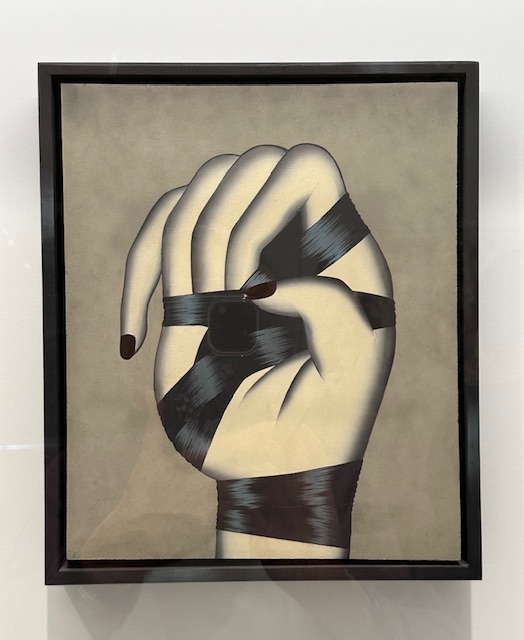
Instead of admonishing others with the 19th century foot metaphor, “pull yourself up by your bootstraps” — which Wikipedia says originated from a tall tale where a man told of pulling himself out of a swamp by his own pigtail — we will use a hand as a memory tool…See how moveable and “energetic” your thumb can be! Let your thumb stand for ENERGY, instead of ennui lethargy…a flexible thumb provides endless possibilities for action. Begin with feeding yourself a nutritious diet, getting 7 hours of sleep, and exercising in a way that suits your body.
Your pointer finger stands for DISCIPLINE, rather than disorder. Some adults and even teachers (I’ve seen it) point this finger in an emotional, menacing way to deliver “discipline.” Bill Clinton pointed his index finger at the American people, saying, “I did not have sexual relations with that woman, Miss Lewinsky!” Today, Mark Robinson, running for governor in NC, is pointing at voters. Both forgot that their own 3 fingers point back at them! There is cognitive pointing, as in pointing to the pretty butterfly. We celebrate when a baby learns to point at objects. Try pointing your index finger upward, as a reminder to yourself, that you are interested in raising “up” children (or students or colleagues) using morals and values as your guide. Discipline is a basic need. Having the discipline to eat healthy choices, get enough sleep, exercise, and keep learning with a growth mindset – ALL require some structure. The word discipline has the same root meaning as the word disciple. It means to follow a good lead.
The middle and longest finger has a long history of meaning scorn or insult when held upright. Over 2500 years ago the Greek playwright, Aristophanes, is credited with showing insult by raising the middle finger. He made a crude joke about a certain male body part. It is time for this finger to receive a creative comeback! CREATIVITY, instead of conformity, is a go-to basic need if you want to flourish. Creativity involves curiosity, problem-solving, and dreaming new ideas. Albert Einstein once said, “Creativity is intelligence having fun.” Creativity involves personal autonomy, wanting to do something because it’s interesting, enjoyable, or personally challenging. And creativity is not just Big-C creativity, as in becoming a famous artist. Creativity has many little-c possibilities that engage your originality, flexibility, or personal voice.
The ring finger is known for its special BELONGING to close relationships, as in couples sharing wedding rings to symbolize their belonging, rather than the Blues. For those in the mental health field, we are talking about attachment. All these needs are important, but belonging connections are vital. Researchers have found that after food and shelter, positive social connection is our greatest need benefiting bodymind health. People who feel more connected to others have lower rates of anxiety and depression, a 50% increased chance of longevity, a stronger immune system, and faster recovery from disease.
The left “pinky” finger is the one that hits the letter “A” on the keyboard! Recognize your ABILITY, not your apathy. Have competence to believe in your skills to achieve goals and experience a sense of mastery. In the past it was considered that IQ was fixed. This is not true. IQ tests measure what can be done now, not what can be done in the future. The brain can store nearly 10 times more data than previously thought, research confirms. Keep storing new learning!
Our needs are interactive. They can work together, or not. I lined up the backward ABCDE’s — Energy/Discipline/Creativity/Belonging/Ability — handprint to help individuals remember 5 needs. Some days are a challenge to meet even 3 needs. If you live with others, it gets more complicated, because others inevitably want to meet a need — involving YOU — at a different time than you anticipated.
What’s more, we have an integrative core SELF–– this is not “ego.” Some might prefer the word spirit, or soul to SELF. It is a calm acceptance, a grounding, a deep reservoir of integrity, wholeness; it is owning OK-ness. Let’s consider a core SELF in the palm of your hand. When we hold hands with another, we can remind ourselves that our core SELF touches another’s core SELF. This is co-regulation or lending a helping hand. And meeting needs, both ours and helping others meet their needs, is flourishing.
Pearls of Peace (PoP) Quiz
239. How is your self-care flourishing today?
230. What might you do to help another person flourish?